Philosophy and Language: Wittgenstein
Ludwig Wittgenstein
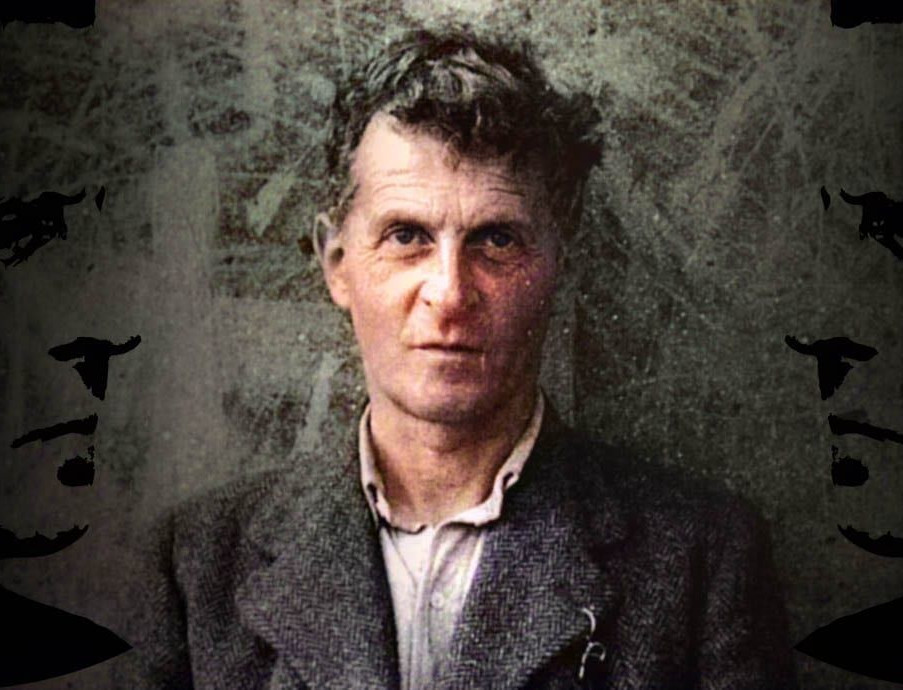
“Nothing seems more unlikely to me than the possibility that a scientist or mathematician who reads me will be seriously affected in the way he or she works.” “Culture and Value” (1980).
“Of what one cannot speak one must be silent.”“Language disguises thought.”_ “Tractatus logico-philosophicus” (1921)
“Philosophical problems arise when language parties” “Philosophical Researches” (1953)
In his “Philosophical Researches” Wittgenstein explains that philosophical problems are diseases of language, arise when language “goes on vacation”, that is, when words are taken out of their ordinary context and used abstractly, generating conceptual confusions.
As diseases, philosophical problems require conceptual “therapy. “This clinical metaphor stems from the observation that many philosophical dilemmas arise from a distorted use of language, as in the case of the question “What is time?” Placed outside of a specific language game (e.g., physics or everyday life), it loses all practical anchorage and becomes a meaningless “jam. “
A famous example is French philosopher Henri Bergson’s work on the profound meaning of time, such an insulting delusion of bullshit that the only possible comment from scientists was a short phrase from Albert Einstein: “we hope God forgives him”.
Therapy is to bring back the philosophers’ misunderstood words from their metaphysical vacation to ordinary use in common language and the daily work of human communication: “Don’t think, but look!”,
For Wittgenstein “language disguises thought”, creating the illusion of conceptual depths where instead nonsense reigns. A prime example is the search for metaphysical entities such as the essence of justice: such a question stems from the mistaken belief that every noun corresponds to a concrete object.
In the problem of the effectiveness of language to express general concepts posed by Wittgenstein is the great limitation of the humanistic subculture and its inferiority to the exact sciences that use a universal, powerful and unambiguous language like that of Mathematics.