Quantum Mechanics III: Quantum Computing
Quantum Computing - Simple Disclosure
Simone Severini - In the land of qubits. quantum physics and the boundaries of computing (2022)
Fabio Chiarello - The quantum mechanic’s workshop. From Schröedinger’s cat to quantum computing (2014)
Introduction to Quantum Computing
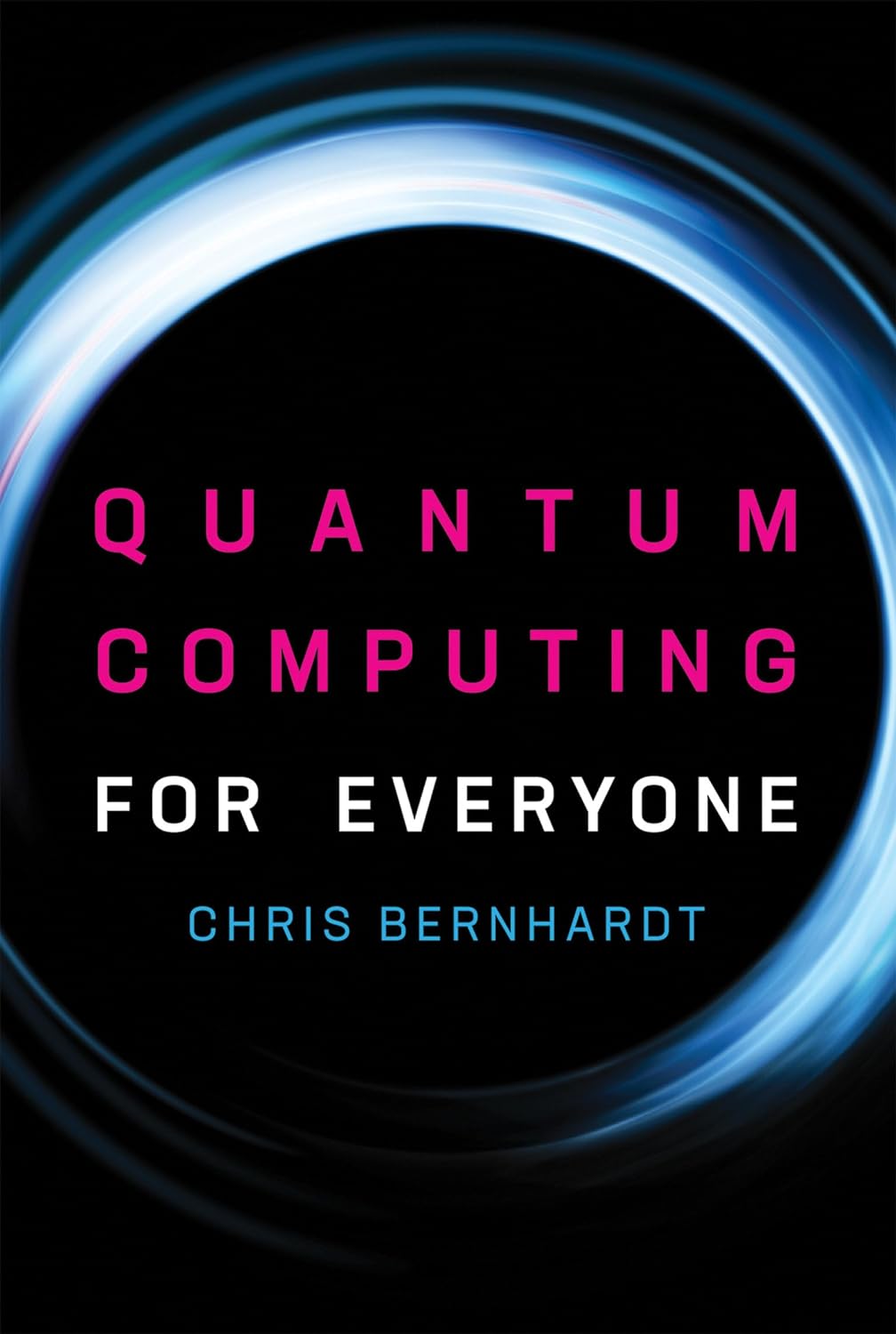
Chris Bernhardt - Quantum Computing for Everyone (2019)
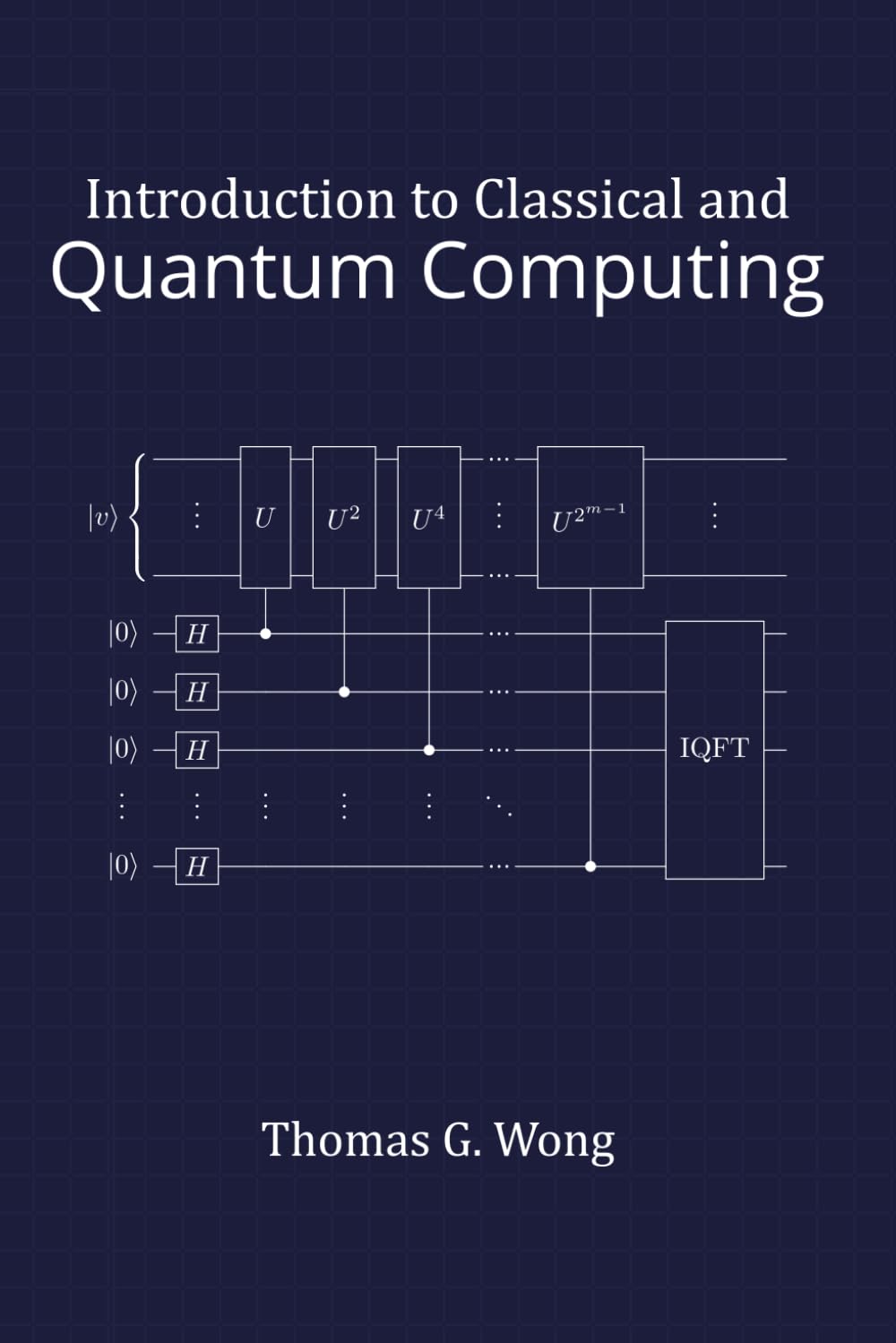
Thomas G. Wong - Introduction to Classical and Quantum Computing (2022)
Robert S. Sutor - Dancing with Qubits: How quantum computing works and how it can change the world (2019)
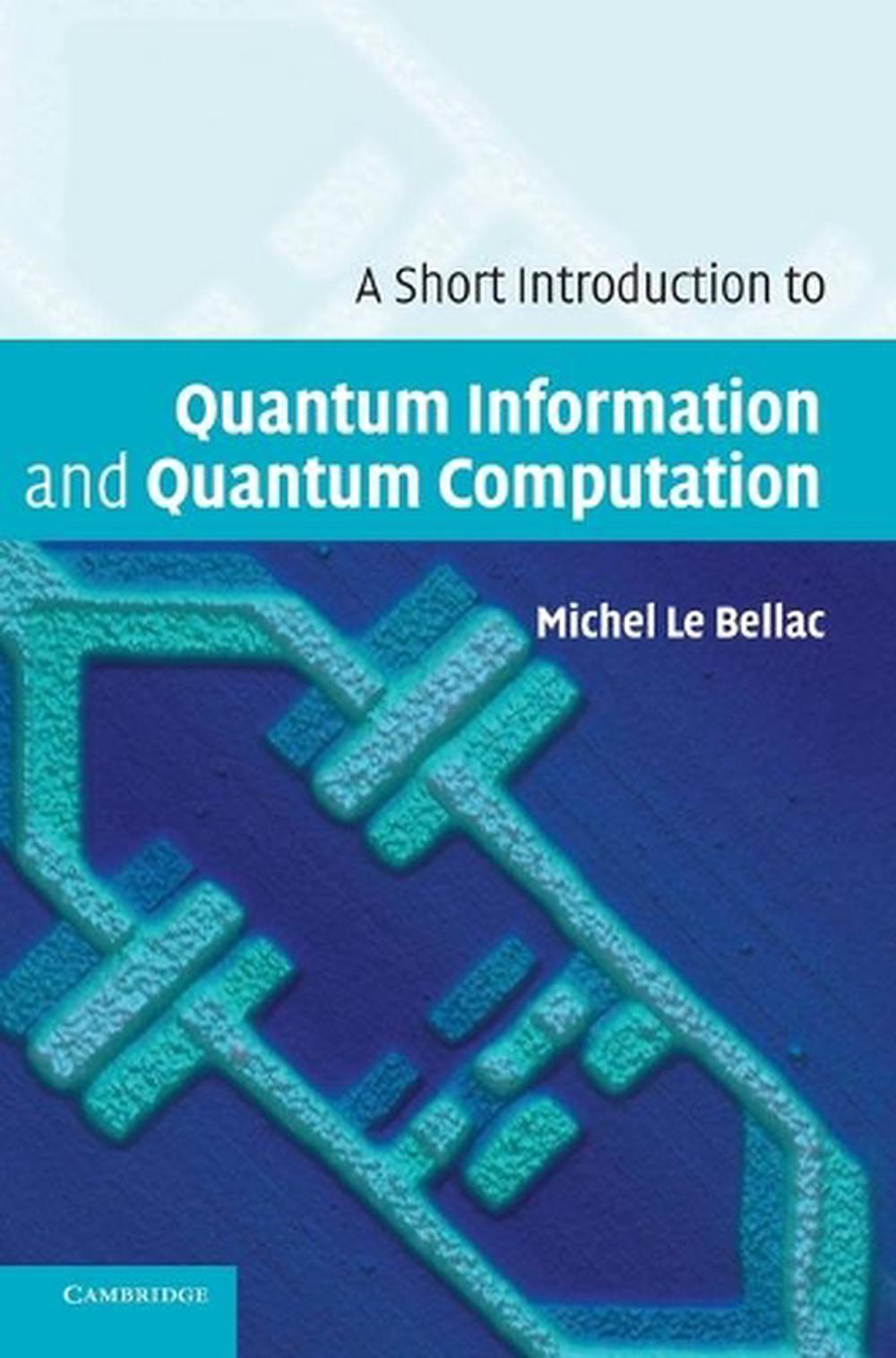
Michel Le Bellac - A short introduction to quantum information and quantum computation (2006)
The great classics
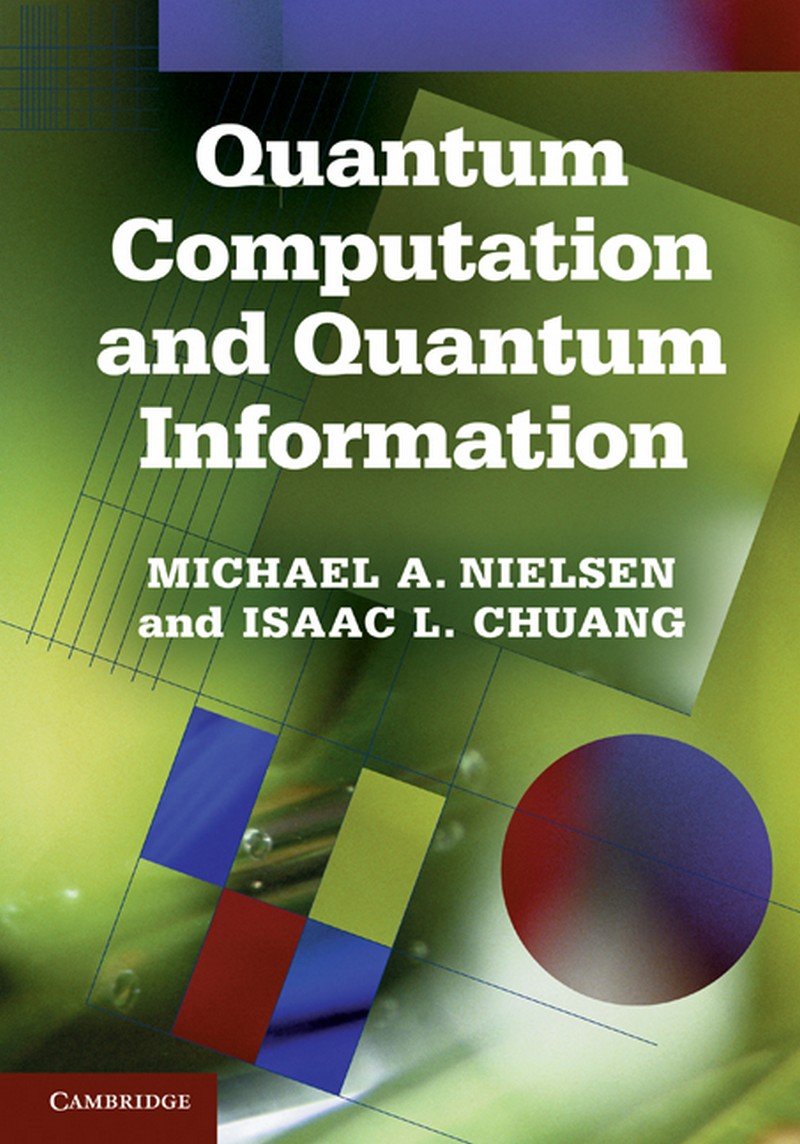
Michael A Nielsen Isaac L Chuang - Quantum computation and Quantum Information, 10th ann. ed. (2010)
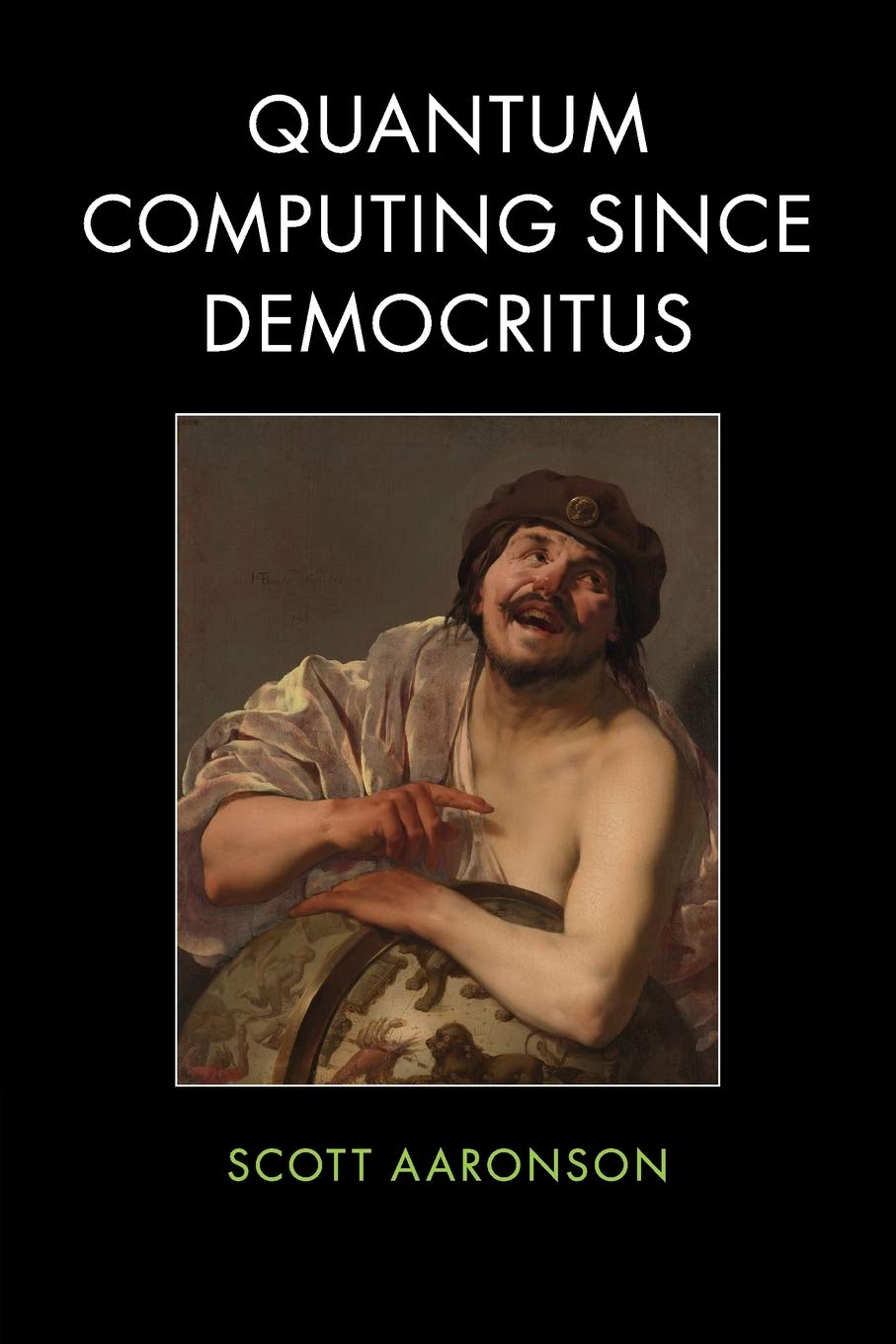
Scott Aaronson - Quantum computing since Democritus (2013)
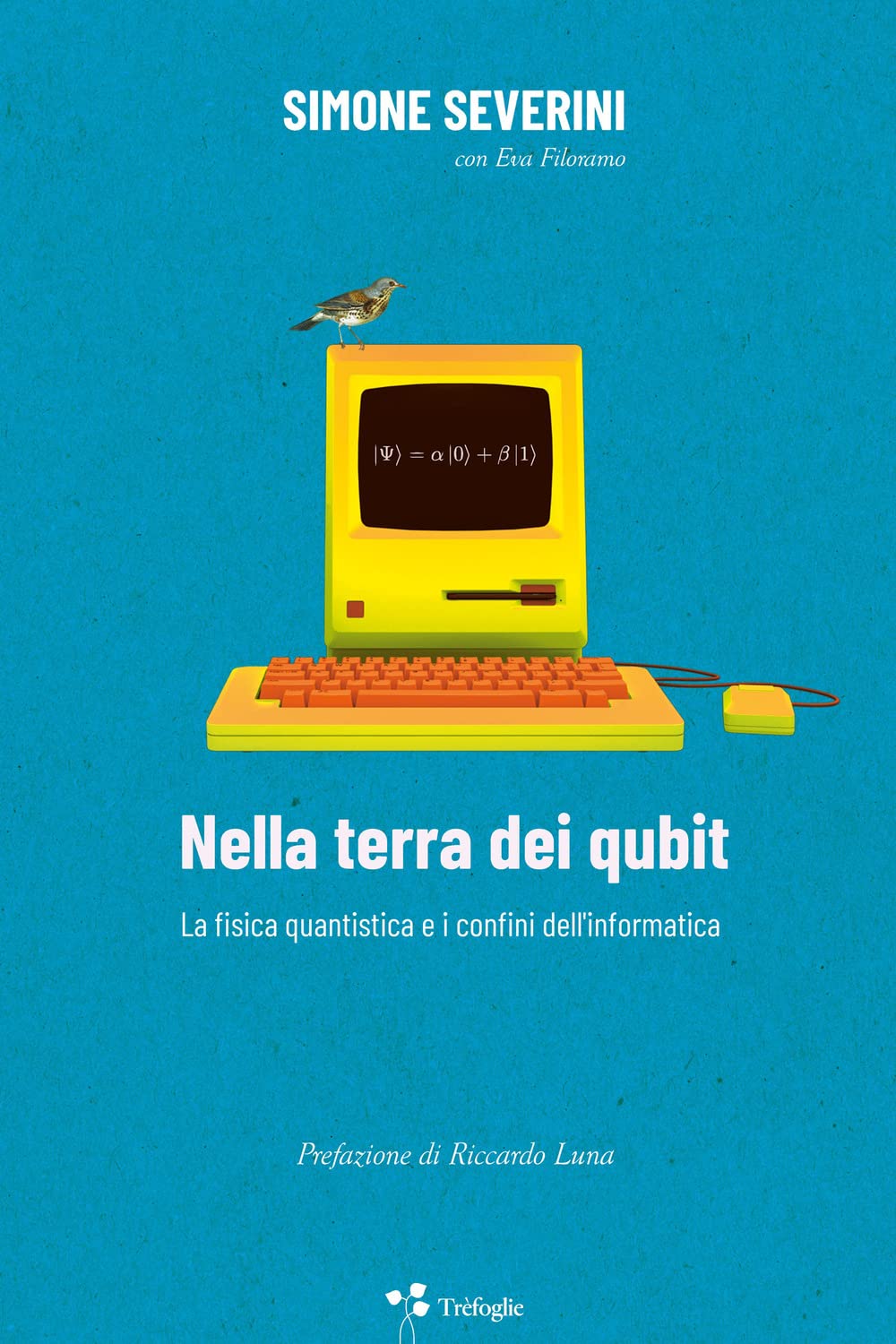
- Simone Severini - In the land of qubits. quantum physics and the boundaries of computing (2022)
Ma questo computer quantistico c’è o non c’è? Certo che c’è. Però è una piantina appena nata, piuttosto che una quercia possente. Impreciso come i vecchi computer degli anni Cinquanta, oggi il computer quantistico non è un sogno fantascientifico, ma una scommessa di imprese e grandi centri di ricerca. Di che cosa si tratta? Sono macchine per processare informazione codificata in oggetti nanoscopici, come atomi o fotoni. E quello è il regime della fisica dei quanti: questi computer promettono di fare certi calcoli in modo più veloce di qualsiasi altro computer concepibile. Sono difficilissimi da costruire, ma potrebbero dare un contributo profondo in ambiti come medicina, scienze dei materiali e sostenibilità. Perché no, anche a una comprensione più profonda di ciò che è reale. Questo libro è un monologo, incompleto e a ruota libera, sull’interfaccia tra informatica e fisica quantistica, e su come queste due discipline hanno cominciato a influenzarsi a vicenda.
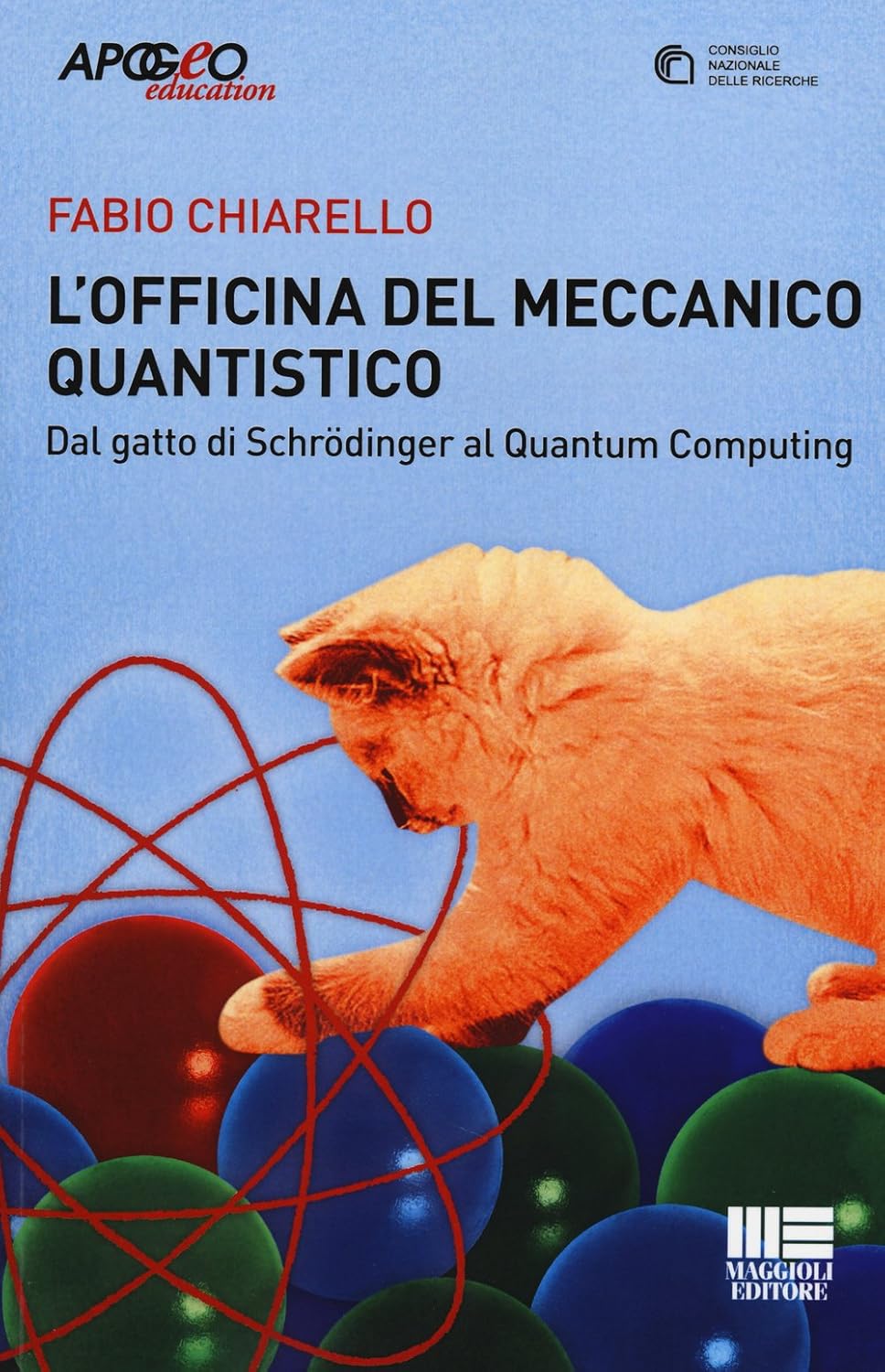
- Fabio Chiarello - The quantum mechanic’s workshop. From Schröedinger’s cat to quantum computing (2014)
La fisica quantistica sembra sfidare il nostro senso comune, proponendoci una descrizione del mondo subatomico in cui le regole di base che governano la realtà vengono sovvertite: in cui una cosa può essere in due posti contemporaneamente, e un gatto (il celebre “gatto di Schrödinger”) può essere nello stesso istante vivo e morto… Eppure dallo studio di questo mondo bizzarro e dei suoi rapporti con il mondo macroscopico che ci è familiare possono derivare risultati sorprendenti: per esempio la realizzazione di circuiti logici quantistici, primi componenti di un “computer quantistico” capace di superare i vincoli, fisici e logici, che limitano le possibilità di calcolo dei computer tradizionali. L’autore, che per molti anni ha svolto la propria attività di ricerca nella zona di confine tra mondo classico e mondo quantistico, ci conduce a esplorare questo territorio affascinante, illustrandoci le straordinarie possibilità tecnologiche che ne potranno derivare.
- Michel Le Bellac - A short introduction to quantum information and quantum computation (2006)
L’informazione e il calcolo quantistico sono un argomento in rapida espansione e interdisciplinare. Questo libro, pubblicato per la prima volta nel 2006, fornisce un’introduzione autonoma al campo per fisici, matematici e informatici che desiderano saperne di più su questo entusiasmante argomento. Dopo un’introduzione passo dopo passo al bit quantistico (qubit) e alle sue proprietà principali, l’autore presenta le basi necessarie in meccanica quantistica. Il nucleo dell’argomento, il calcolo quantistico, è illustrato da un trattamento dettagliato di tre algoritmi quantistici: Deutsch, Grover e Shor. I capitoli finali sono dedicati all’implementazione fisica dei computer quantistici, inclusi gli aspetti più recenti, come i qubit superconduttori e i punti quantici, e a un breve resoconto dell’informazione quantistica. Scritto a un livello adatto agli studenti universitari in scienze fisiche, non si presuppone alcuna conoscenza pregressa della meccanica quantistica e sono richieste solo nozioni elementari di
- Scott Aaronson - Quantum computing since Democritus (2013)
Written by noted quantum computing theorist Scott Aaronson, this book takes readers on a tour through some of the most profound ideas in mathematics, computer science and physics. Rich in insights, arguments and philosophical perspectives, the book covers an extraordinary range of topics. Beginning in antiquity with Democritus, it proceeds through logic and set theory, computability and complexity theory, quantum computing, cryptography, the information content of quantum states and the interpretation of quantum mechanics. There are also in-depth discussions on time travel, Newcomb’s paradox, the anthropic principle and the views of Roger Penrose. Aaronson’s informal style makes this fascinating book accessible to readers with scientific training, as well as students and researchers working in physics, computer science, mathematics and philosophy.
- Michael A Nielsen Isaac L Chuang - Quantum computation and Quantum Information, 10th ann. ed. (2010)
One of the most cited physics textbooks of all time, Quantum Computation and Quantum Information remains the best textbook in this exciting field of science. This 10th anniversary edition includes an introduction by the authors that puts the work in context. This comprehensive textbook describes such notable effects as fast quantum algorithms, quantum teleportation, quantum cryptography, and quantum error correction. Quantum mechanics and computer science are introduced before moving on to describe what a quantum computer is, how it can be used to solve problems faster than “classical” computers, and its implementation in the real world. It concludes with an in-depth treatment of quantum information. Containing a wealth of figures and exercises, this well-known textbook is ideal for courses on the subject and will interest graduate students and beginning researchers in physics, computer science, mathematics, and engineering
- Thomas G. Wong - Introduction to Classical and Quantum Computing (2022)
Introduction to Classical and Quantum Calculus is for students who want to learn quantum calculus beyond the conceptual level, but who do not have advanced training in mathematics. The only prerequisite is trigonometry, and mathematics beyond that, including linear algebra, will be covered. This book is suitable as a course textbook or for independent study.
Il testo inizia con una panoramica significativa del calcolo classico, da come aggiungono numeri ai loro limiti computazionali, e rispecchia molti degli argomenti del calcolo quantistico che vengono trattati in seguito. Quindi, l’indagine sul calcolo quantistico inizia con un singolo qubit e porte quantistiche che agiscono su di esso, prima utilizzando geometria e algebra elementare e poi utilizzando l’algebra lineare. Vengono utilizzati sistemi di algebra informatica ed è incluso il codice per Mathematica e SageMath. Dopo un qubit, vengono trattati sistemi multi-qubit, incluso il modo in cui i computer quantistici aggiungono numeri, set di porte universali e correzione degli errori. Dopo questo, i lettori imparano come programmare circuiti quantistici su veri processori quantistici utilizzando IBM Quantum Experience. In seguito, vengono esplorati l’entanglement e i protocolli quantistici. Infine, vengono esaminati gli algoritmi quantistici, che culminano nell’algoritmo di Shor per la fattorizzazione. Viene
- Chris Bernhardt - Quantum Computing for Everyone (2019)
An accessible introduction to an exciting new area of computer science, explaining topics such as qubits, entanglement, and quantum teleportation for the average reader. Quantum computing is a wonderful fusion of quantum physics and computer science, incorporating some of the most amazing ideas of 20th-century physics into a whole new way of thinking about computer science. In this book, Chris Bernhardt offers an introduction to quantum computing that is accessible to anyone familiar with high school mathematics. He explains qubits, entanglement, quantum teleportation, quantum algorithms, and other quantum-related topics as clearly as possible for the average reader. Bernhardt, himself a mathematician, simplifies the mathematics as much as possible and provides elementary examples that illustrate both how the mathematics works and what it means.
Bernhardt introduce l’unità di base dell’informatica quantistica, il qubit, e spiega come il qubit può essere misurato; discute l’entanglement, che, dice, è più facile da descrivere matematicamente che verbalmente, e cosa significa quando due qubit sono entangled (citando la caratterizzazione di Einstein di cosa accade quando la misurazione di un qubit entangled influenza il secondo come “azione spettrale a distanza”); e introduce la crittografia quantistica. Riepiloga argomenti standard nell’informatica classica, bit, porte e logica, e descrive l’ingegnoso computer a palla da biliardo di Edward Fredkin. Definisce le porte quantistiche, considera la velocità degli algoritmi quantistici e descrive la costruzione di computer quantistici. Alla fine del libro, i lettori capiscono che l’informatica quantistica e l’informatica classica non sono due discipline distinte e che l’informatica quantistica è la forma fondamentale di informatica. L’unità di base dell’informatica è il qubit, non il bit.
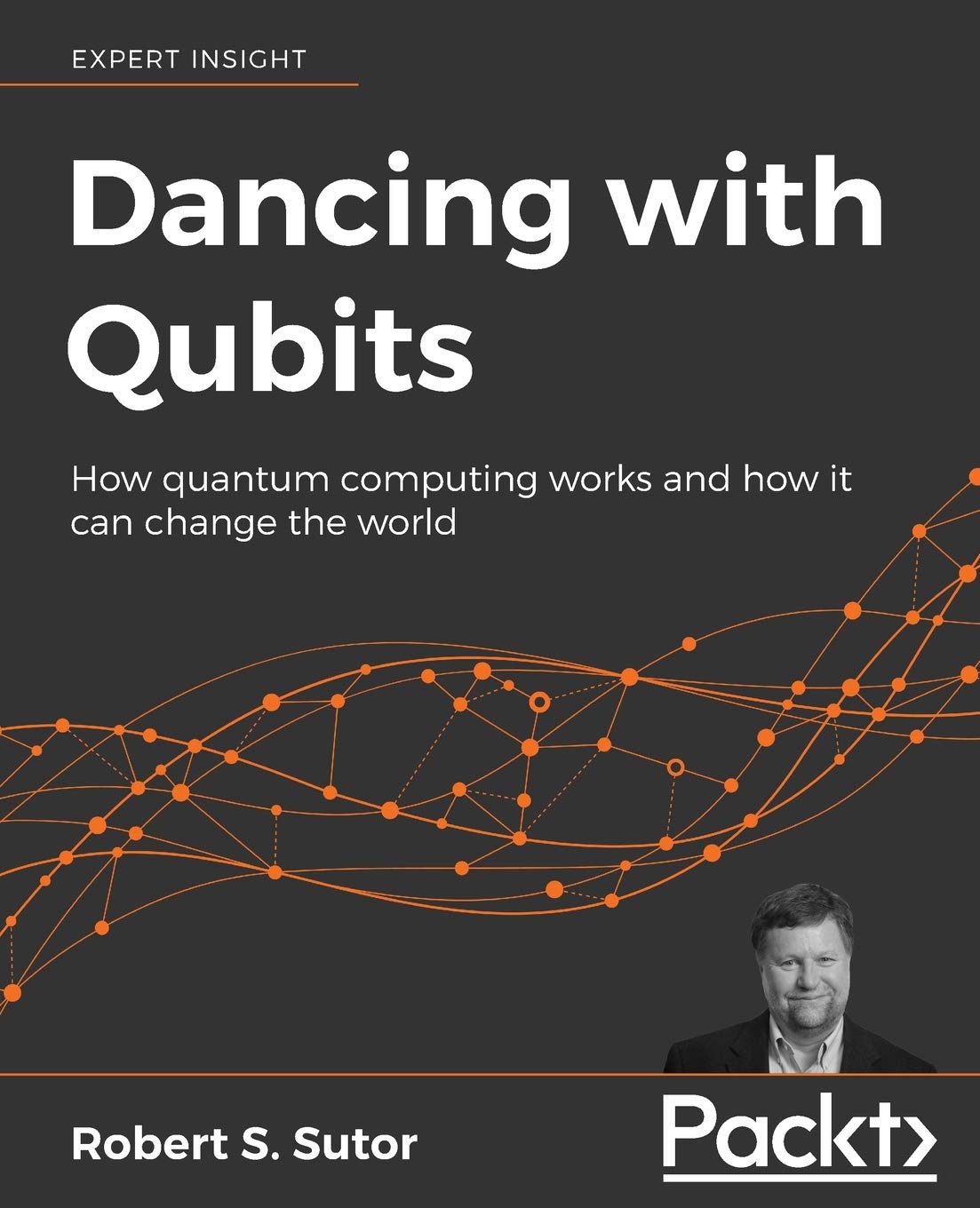
- Robert S. Sutor - Dancing with Qubits: How quantum computing works and how it can change the world (2019)
Dancing with Qubits, Second Edition, is a comprehensive textbook on quantum computing that begins with an overview of why quantum computing is so different from classical computing and describes several industry use cases in which it can have a major impact. This is followed by a comprehensive description of classical computing and the mathematical foundations of quantum computing, which will help you better understand concepts such as superposition, entanglement, and interference. Next, circuits and algorithms, both basic and sophisticated, are presented, as well as a survey of the physics and engineering ideas behind the way quantum computing hardware is built.
Learn how quantum computing works and delve into the mathematics behind it with practical examples Learn and evaluate the most up-to-date topics on quantum computing, including quantum machine learning Explores the inner workings of existing quantum computing technologies to understand how they might perform significantly better than their classical counterparts Explore the mathematical basis of quantum computing Discover the complex and mind-blowing concepts that underpin quantum systems Understand the key ideas behind classical and quantum calculus Refresh and expand your knowledge of essential mathematics, calculus, and quantum theory Examines a detailed overview of qubits and quantum circuits Immerse yourself in quantum algorithms such as Grover, Deutsch-Jozsa, Simon and Shor’s research Explores the main applications of quantum computing in the fields of scientific computing, artificial intelligence and elsewhere
Table of Contents:
- Why quantum computing
- They are not old, they are classic
- More numbers than you can imagine
- Planes, circles and spheres, oh my God
- Dimensions
- What do you mean by “probably”?
- A Qubit
- Two Qubits, three
- Connection of circuits
- From circuits to algorithms
- Becoming physical
- Consider the NISQ algorithms
- Introduction to quantum machine learning
- Questions about the future
ONLINE
Josh Schneider, Ian Smalley - What is quantum computing? https://www.ibm.com/topics/quantum-computing
Chris Woodford - Quantum computing https://www.explainthatstuff.com/quantum-computing.html
Isaac Chuang, Peter Shor - Quantum Information Science I (MIT OpenCourseWare) https://www.ocw.mit.edu/courses/8-370x-quantum-information-science-i-spring-2018/
- 8.370.1x: Foundations of Quantum and Classical computing-quantum mechanics, reversible computation, and quantum measurement
- 8.370.2x: Simple Quantum Protocols and Algorithms-teleportation and superdense coding, the Deutsch-Jozsa and Simon’s algorithm, Grover’s quantum search algorithm, and Shor’s quantum factoring algorithm
- 8.370.3x: Foundations of quantum communication-noise and quantum channels, and quantum key distribution
Scott Pakin, Eleanor G. Rieffel - Introduction to Quantum Computing https://ntrs.nasa.gov/citations/20220016348 https://ntrs.nasa.gov/api/citations/20220016348/downloads/PakinRieffel_IntroToQC_SC22.pdf
CERN - A practical introduction to quantum computing - Online lecture series https://quantum.cern/news/announcement/practical-introduction-quantum-computing-follow-our-online-lecture-series
Kumar Chandrakant, Grzegorz Piwowarek - Introduction to Quantum Computing https://www.baeldung.com/cs/quantum-computing
John Watrous’s Lecture Notes https://johnwatrous.com/lecture-notes/
- Quantum computation https://johnwatrous.com/wp-content/uploads/2023/08/QC-notes.pdf
- Introduction to the theory of computing https://johnwatrous.com/wp-content/uploads/2023/08/ToC-notes.pdf
Ronald de Wolf - Quantum Computing: Lecture Notes https://arxiv.org/abs/1907.09415 https://homepages.cwi.nl/~rdewolf/qcnotes.pdf
Andrew Childs - Lecture Notes on Quantum Algorithms https://www.cs.umd.edu/~amchilds/qa/ https://www.cs.umd.edu/~amchilds/qa/qa.pdf
John Preskill - Quantum computing 40 years later https://arxiv.org/abs/2106.10522
U.S. Government Accountability Office - Quantum Computing and Communications: Status and Prospects - GAO-22-104422 (2021) https://www.gao.gov/products/gao-22-104422 https://www.gao.gov/assets/gao-22-104422.pdf