Pi Greek
Tells Eugene Wigner (Nobel 1965) at the beginning of “The Unreasonable Effectiveness of Mathematics in the Natural Sciences.”
“There is a story about two friends, who were classmates in classical high school, talking about their work. One of them became a statistician and was working on population trends. He shows a copy of his study to his former classmate. The essay begins, as usual, with the Gaussian distribution, and the statistician explains to his former classmate the meaning of the symbols for the current population, for the average population, and so on. His classmate was a little incredulous and was not sure if the statistician was making fun of him. “How do you know that?” she asks him. “And what is this symbol here?” “Oh,” said the statistician, “this is pi.” “What is it?” “The ratio of the circumference of the circle to its diameter.” “Well, now you are pushing your teasing too far,” said the classmate, “surely the population has nothing to do with the circumference of the circle. "
On March 14 each year ( 3/14 on English-speaking calendars), we celebrate Pi Greek Day, I post a few good reads on the fly, to perhaps return to the subject later.
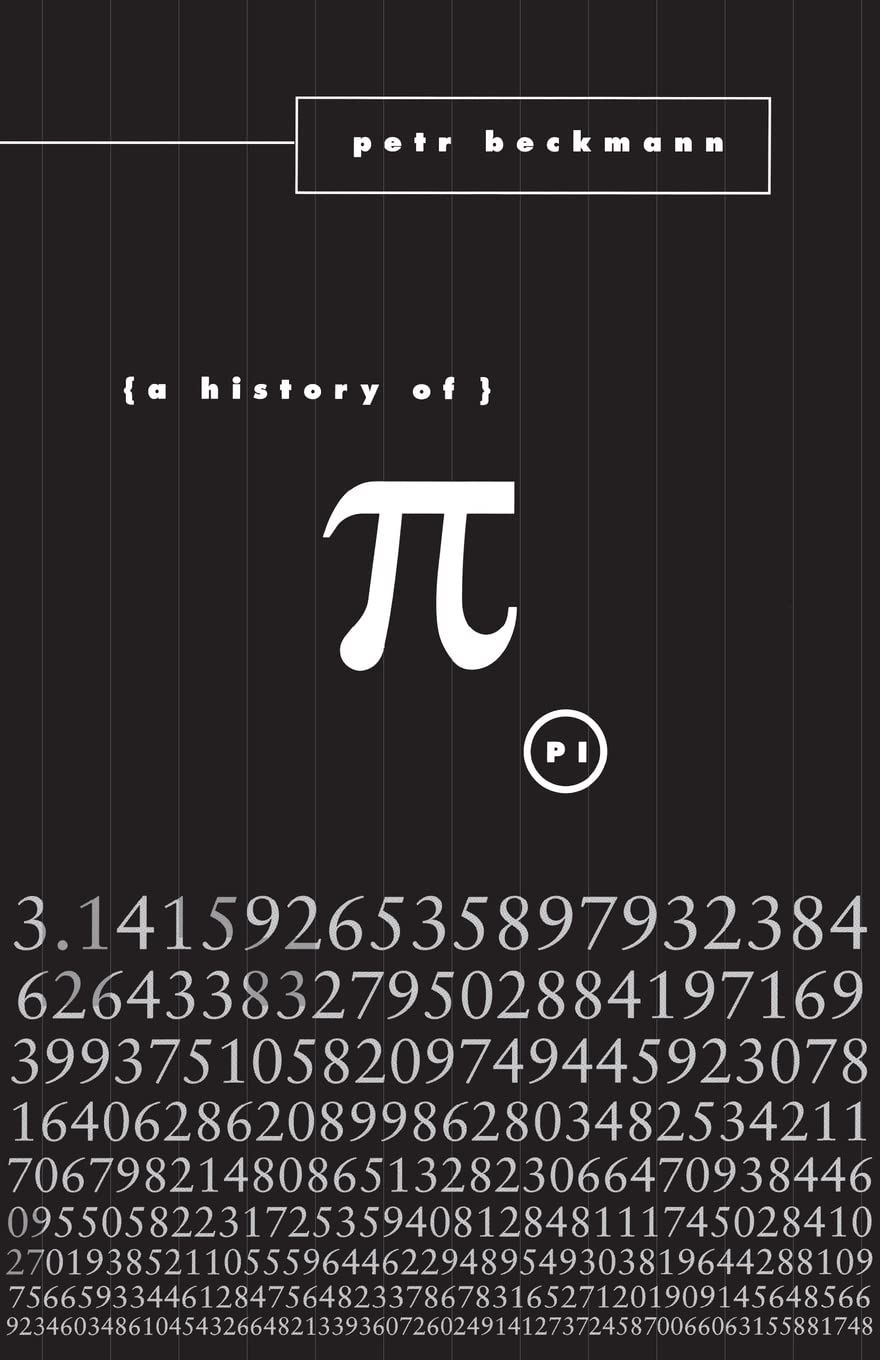
- Petr Beckmann - A History of Pi
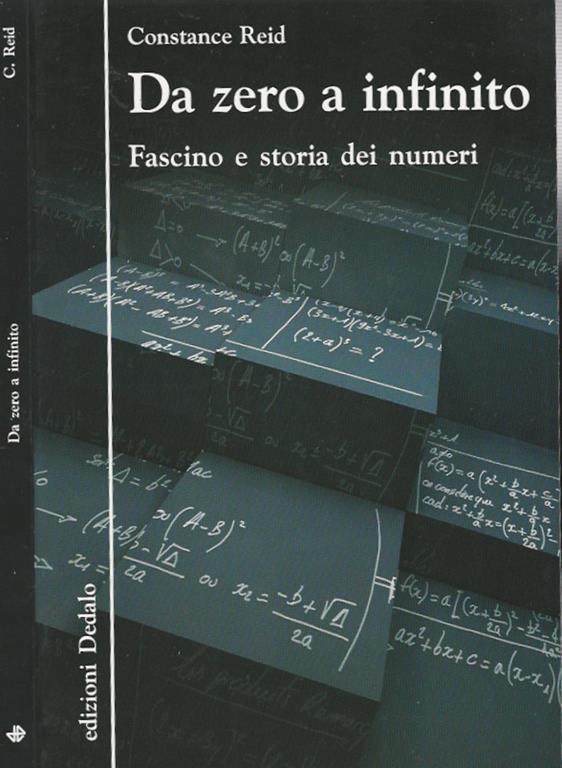
- Constance Reid -From zero to infinity. fascination and history of numbers
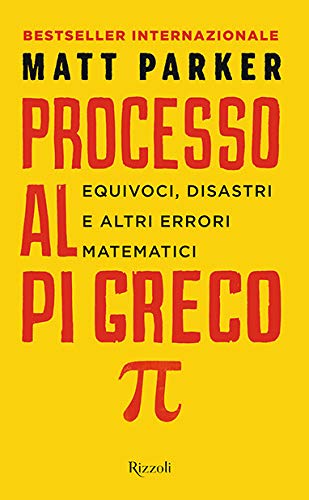
- Matt Parker - Trial of Pi Greek. misunderstandings, disasters and other mathematical errors
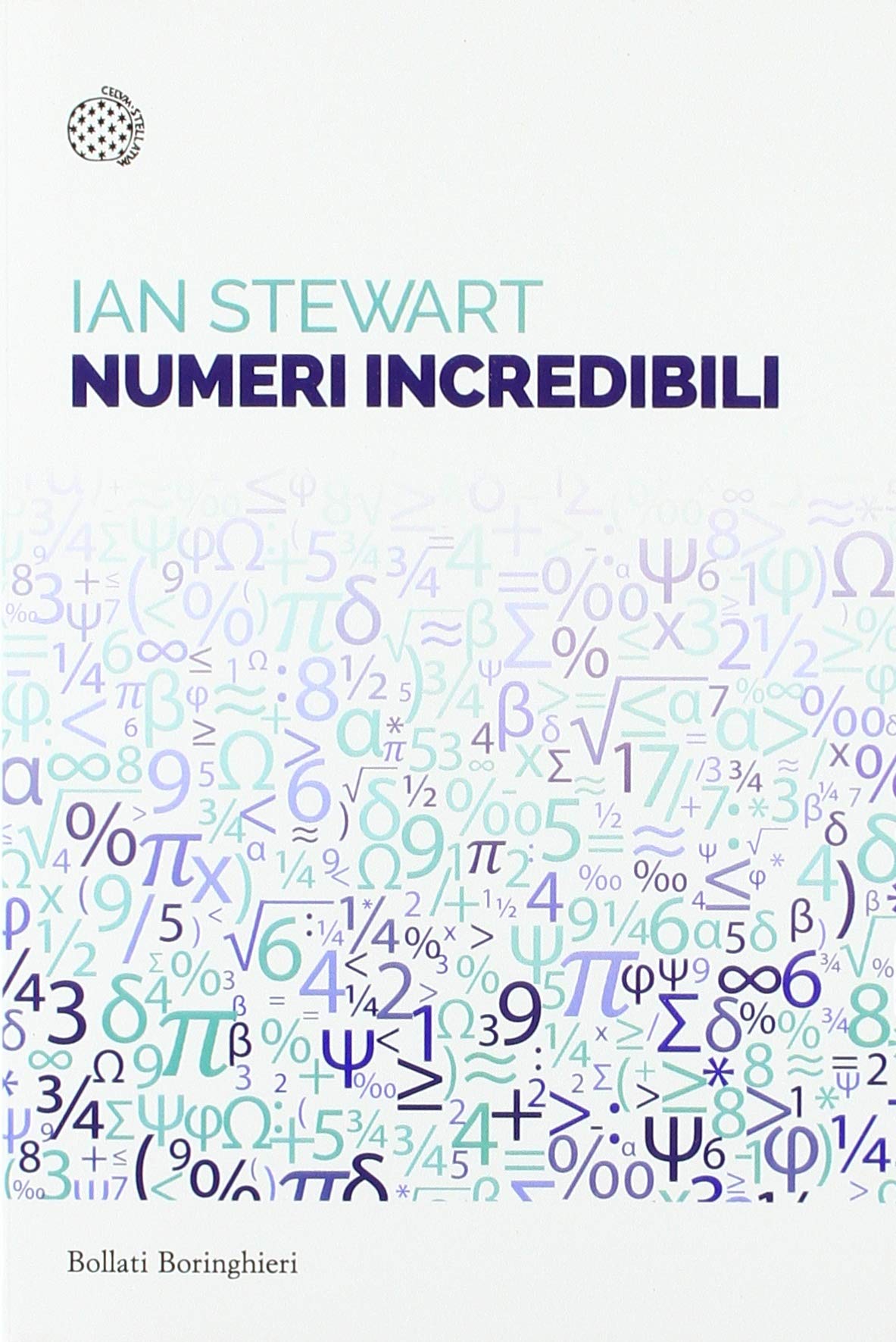
- Ian Stewart - Incredible Numbers
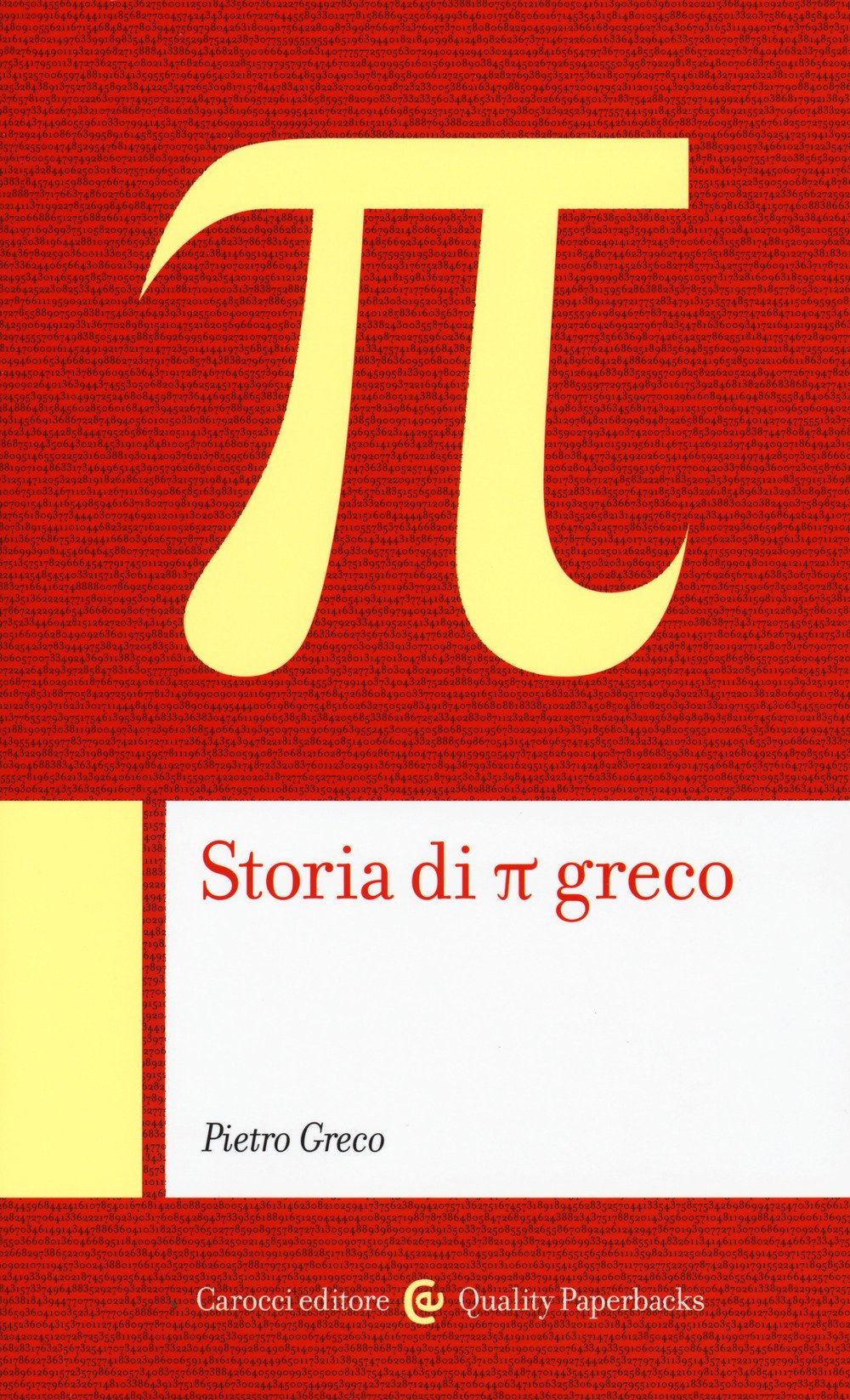
- Peter Greco - History of Pi Greco
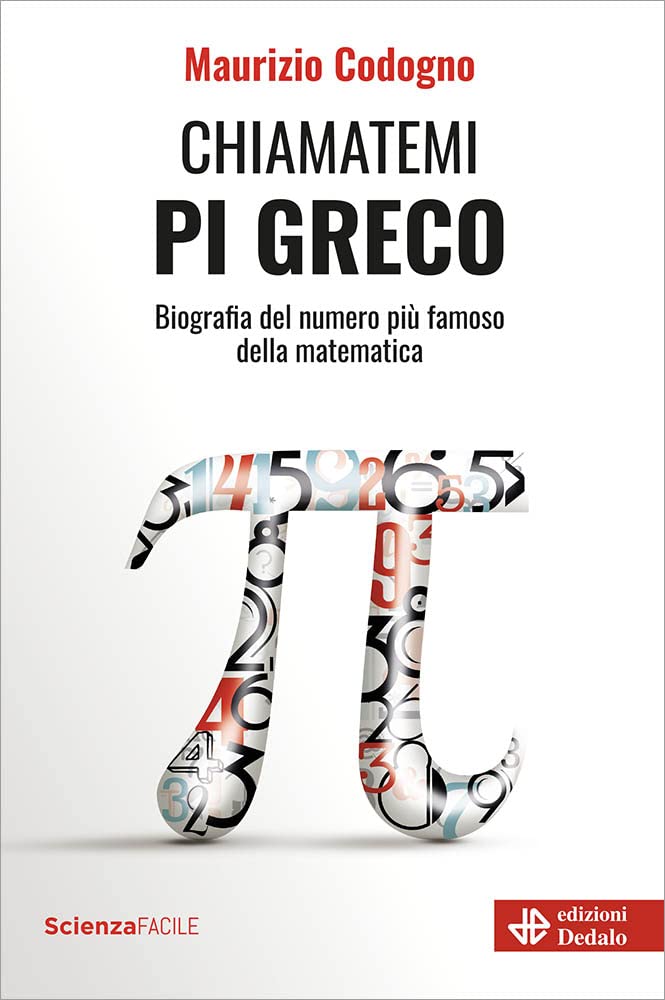
- Maurizio Codogno - Call me pi. Biography of the most famous number in mathematics