Literature and Society

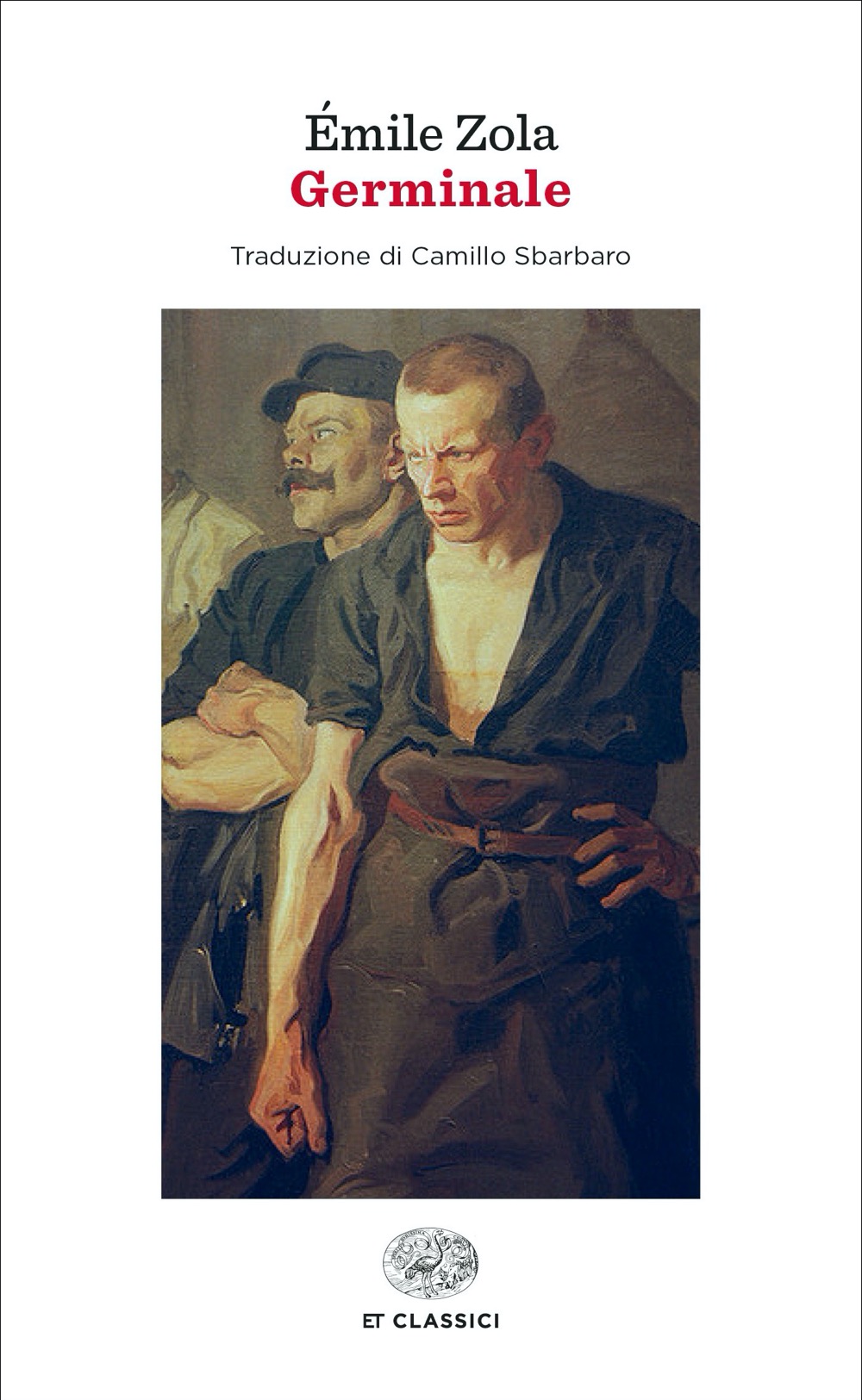
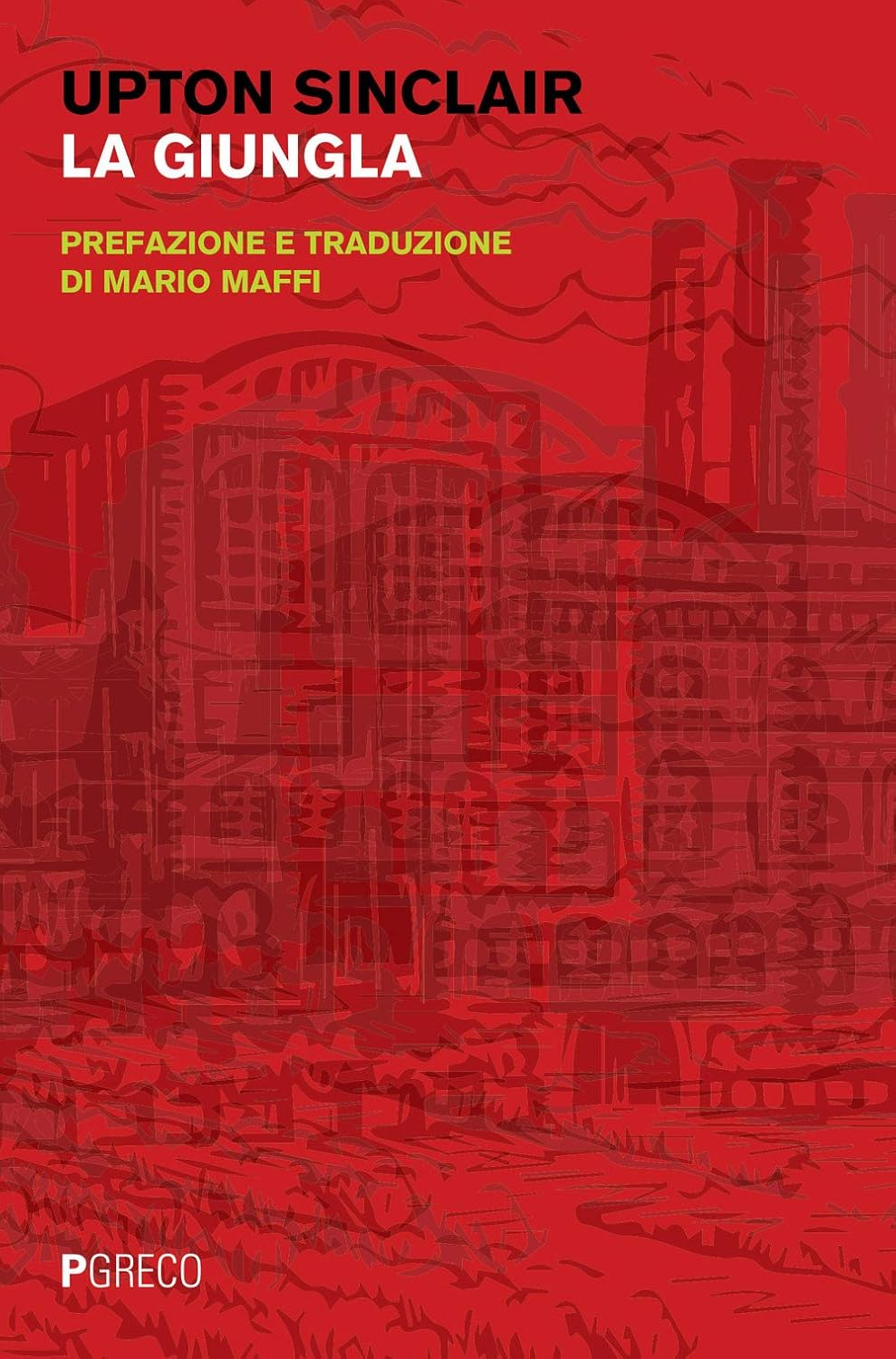
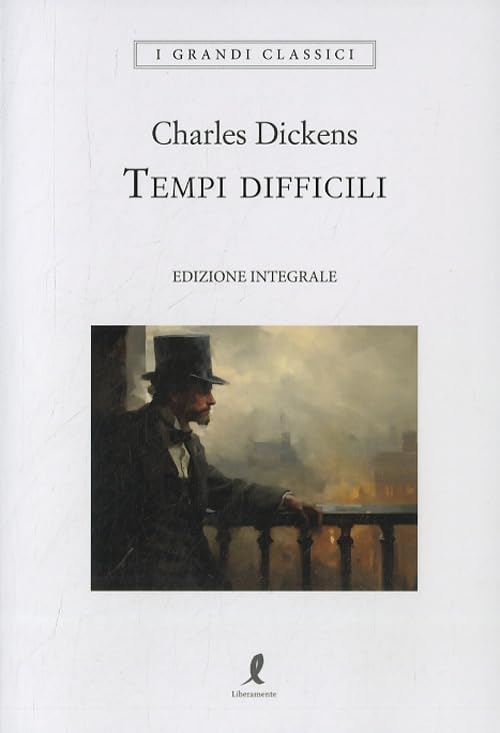
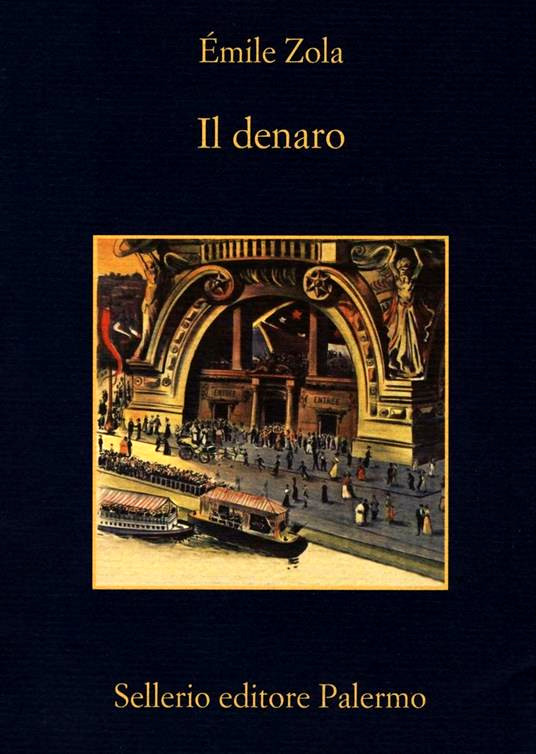
It cannot be denied that some great works of literature are more useful than many history treatises, economics or sociology to understand society in a certain historical period (and this also applies to film), for example:
the fresco of the nineteenth-century European capitalist bourgeoisie, particularly the French, but also the English and American, during the industrial revolution designed by
- Zola (The Money, or L’Argent), the dangers of speculative finance, and the future masters of the world, like the banker Saccard, who does not love money like a miser but he wants it to spring up like a spring, from everywhere ,…
- Zola (Germinal), the extremely harsh conditions of miners exploited by the bosses, struggles and strikes, twenty years before the tragic catastrophe of Courrières
- Balzac (Papa Goriot), an elderly father exploited by his two daughters, and a shady fixer who explains to an ambitious young lawyer how behind every great fortune is a great crime
- Dickens (Tough Times) denounces social inequality, oppression and the denial of human dignity of 19th-century industrial society in the fictional English town of Coketown.
- Sinclair (Jungle) is set in the “jungle” of Packingtown (Chicago), among migrants seeking work in slaughterhouses, underpaid gears of the insane and blind capitalism of the early 20th century.
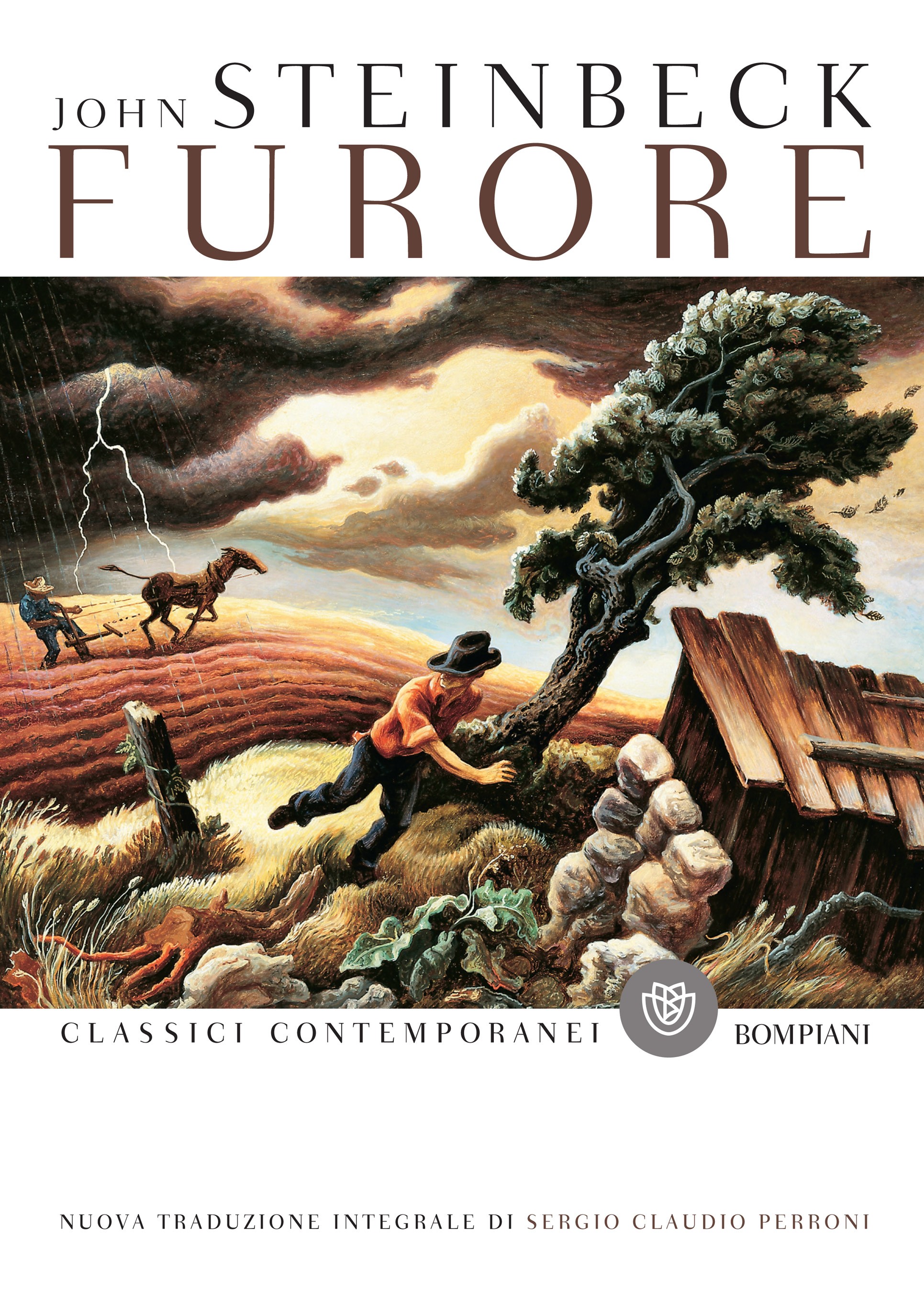
the tragedy of the Great Depression of 1929 and the resulting mass unemployment and despair as seen by Steinbeck (Furore)
western colonialism’s delusion of omnipotence in Conrad(Heart of Darkness), captain of a ship going up the Congo River in the late 1800s, in the private realm of the criminal racist and colonialist Leopold II of Belgium.
the desperate inhabitants of a dormitory in the Bassifonds (or Poor People’s Hotel) in Maksim Gor’kij’s theater, from the bottom of society: poor people, thieves, prostitutes, humble workers, underclassmen.
sicilian feudal society at sunset at the time of Garibaldi’s landing, in Gattopardo by Tomasi di Lampedusa, who has to change everything to change nothing.
These novels have often become great cinema:
- Money (L’Argent) in a 1928 silent film by Marcel L’Herbier
- Germinal in a much more recent film by Claude Berri (1993).
- Hearts of Darkness will be transported through time and space in Vietnam at war in the 1960s, with a film subject by John Milius and a film by Francis Ford Coppola (Apocalipse Now, 1974).
- The protagonists of Bassifondi will be brought to the big screen by Akira Kurosawa
- Tomasi di Lampedusa’s posthumous masterpiece in Luchino Visconti’s eponymous film
A list that could go on and on.