Readings: Philosophy
Introduction to philosophy in general
In scientific research, philosophy is far from indispensable. The sciences since the seventeenth century have been enfranchised, like butterflies born from the worms of a chrysalis, and and increasingly specialized have nothing more to do with philosophical thinking.Only the philosophy of contemporary science, from the early twentieth century onward, has interest in understanding scientific progress, try to rationally interpret its evolution, and draw links between even distant fields. But only for a posteriori analysis, when knowledge has already moved on, scientists never use philosophy in their research work. Other philosophical issues, and authors who lived before the major developments in science in the 20th century, on the other hand, are almost useless. To the great questions posed by philosophy about reality, truth, life, the universe and everything, the scientific method can answer only with 42, like the supercomputer in an infamous science fiction novel. Most of the most famous philosophers have spouted crazy rubbish and made mean figures when dealing with modern science, in their total ignorance of the subject. But even minimal and introductory knowledge of the history of Western philosophy provides an important framework for understanding the philosophy of science and the history of thought science, enriching our understanding of the dynamics between science, philosophy, and society. In particular, it is useful for understanding the historical context and cultural, the evolution of epistemological thinking, the interaction between philosophy and science, key concepts and terminology, ethical implications and social.


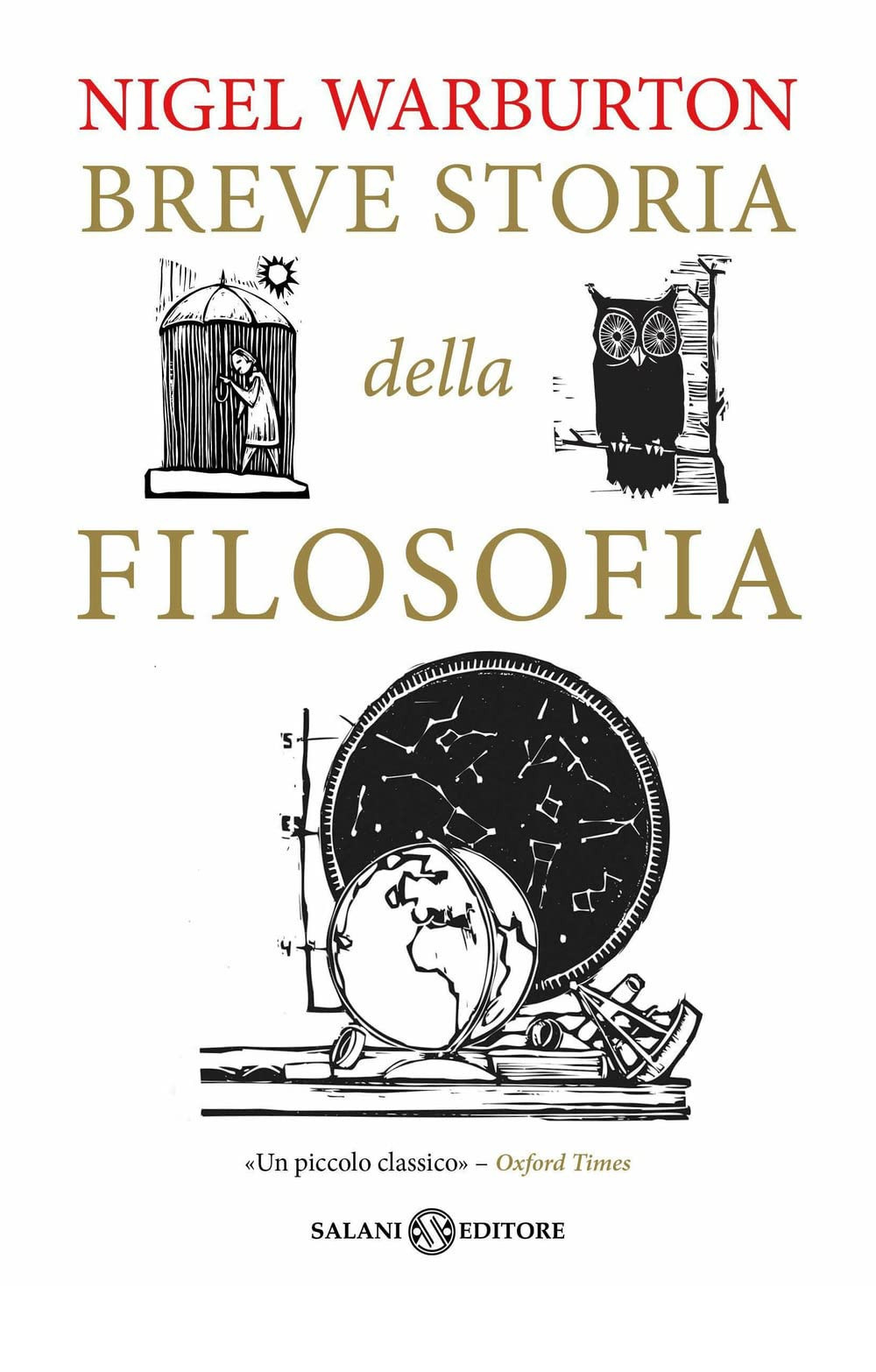

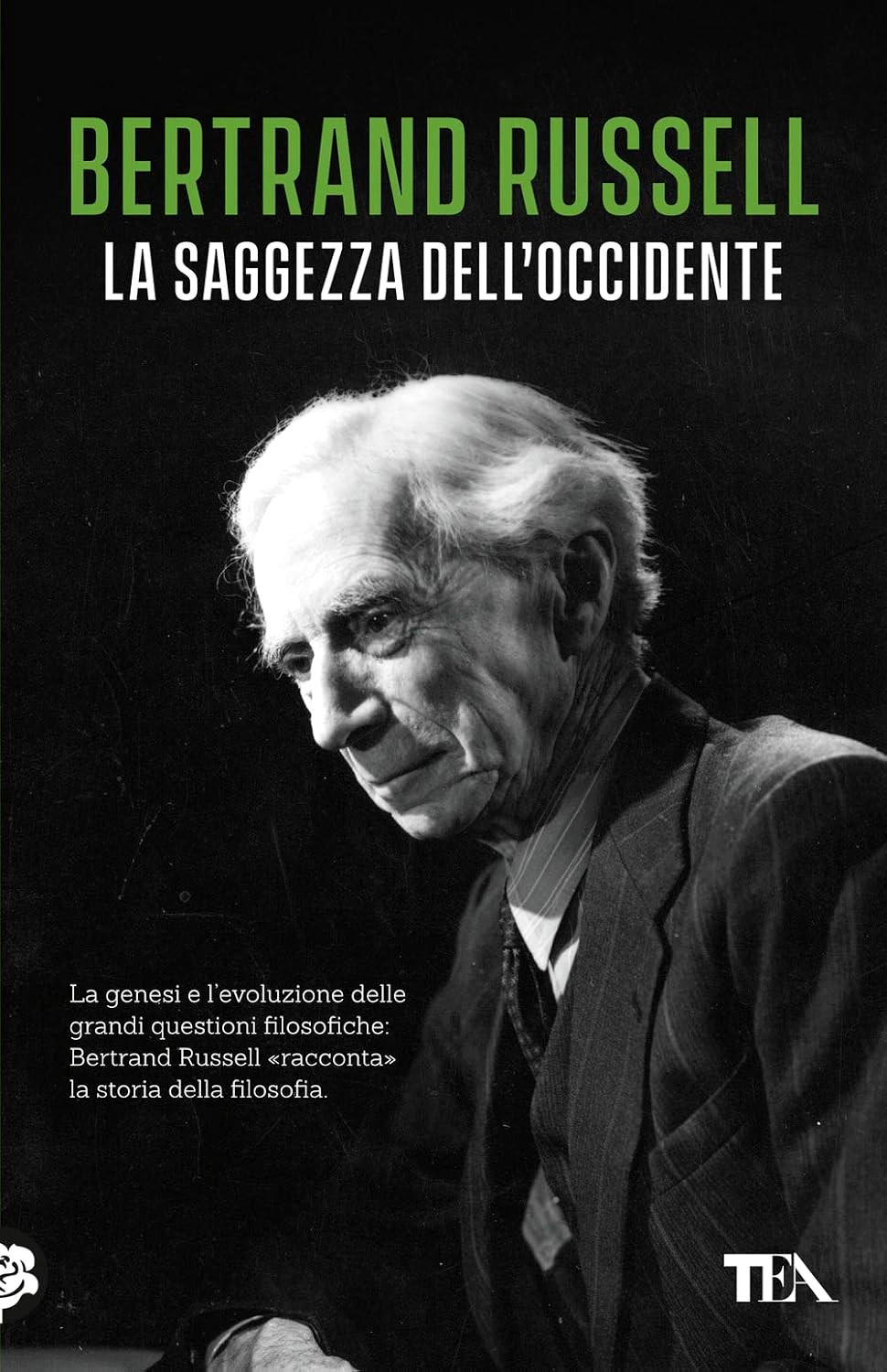

For a general introduction to philosophy, very useful for those who want to brush up on high school concepts or have not studied not at all the subject matter, they can be read without particular effort:
- R.H. Popkin, A. Stroll - Philosophy for All (1993)
- Nigel Warburton - The First Book of Philosophy, 4th ed. (2003)
- Nigel Warburton - A Brief History of Philosophy (2011)
Great classics in the popularization of Western philosophical thought remain the works of Bertrand Russell.
- Bertrand Russell - History of Western Philosophy (1945)
- Bertrand Russell - The Wisdom of the West (1945)
Somewhat more technical, and extremely concise, is the following essay, which has been updated several times:
- Remo Bodei - “Philosophy in the Twentieth Century (and Beyond),” 3 ed.(2015)
A free online encyclopedia in English, very complete and very thorough on every subject, including for every philosophical aspect of scientific thought, is:
- “Stanford Encyclopedia of Philosophy” (SEP) https://plato.stanford.edu/
The Stanford Encyclopedia of Philosophy organizes scholars from around the world in philosophy and related disciplines to create and maintain an up-to-date reference work… Stanford Encyclopedia of Philosophy (SEP), which as of Summer 2023, has nearly 1800 entries online.From its inception, the SEP was designed so that each entry is maintained and kept up-to-date by an expert or group of experts in the field.All entries and substantive updates are refereed by the members of a distinguished Editorial Board before they are made public.Consequently, our dynamic reference work maintains academic standards while evolving and adapting in response to new research.
The philosophy of contemporary science is not only central to the understanding of science itself, but also has a significant impact on many other areas of contemporary life, making it the most important branch of modern philosophy. In fact, science plays a crucial role in daily life, influencing political, economic and social decisions. Philosophy of science helps to understand the epistemological and methodological foundations of science in order to address the big questions of today’s world. It intersects with many other disciplines, such as physics, biology, sociology, and economics. This interdisciplinary interconnectedness makes it essential for developing an integrated understanding of the world, promoting a dialogue between science and other areas of knowledge.